
Xiaomi's 2026 Price Hike Warning: Memory Crunch and What it Means for Innovation
When Memory Costs Explode, Innovation Ignites!
Okay, folks, buckle up! Because the latest news about a looming memory crunch in smartphones isn't a doomsday prophecy – it's a catalyst! Xiaomi and Samsung are feeling the squeeze, warning of potential price hikes in 2026 as memory chip costs surge. But here's the thing: Pressure creates diamonds. And in the tech world, it births breakthroughs.
The Squeeze is On – But So is the Opportunity
Xiaomi's President Lu Weibing is upfront about it: memory prices are going up, potentially impacting smartphone costs. Samsung's feeling the heat too, especially with the Galaxy S26 on the horizon. TrendForce is even lowering production forecasts. Headlines are screaming "Memory Crunch!"
But I’m not worried. I'm excited.
Why? Because necessity is the mother of invention. Think about it: when resources are scarce, engineers get creative. They find new efficiencies, develop smarter algorithms, and push the boundaries of what's possible. This isn't just about making phones cheaper; it's about making them better.
This reminds me of the early days of the space race. Limited computing power forced programmers to write incredibly efficient code. They squeezed every last drop of performance out of the hardware. That ingenuity led to countless innovations that still benefit us today.
What kind of innovations could this memory crunch spark? Maybe we'll see a renewed focus on edge computing, where more processing happens directly on the device, reducing the need for massive amounts of onboard memory. Perhaps we'll see breakthroughs in data compression, allowing us to store more information in less space. Or maybe – and this is where it gets really interesting – we'll see entirely new memory technologies emerge, ones that are faster, denser, and more energy-efficient than anything we have today.
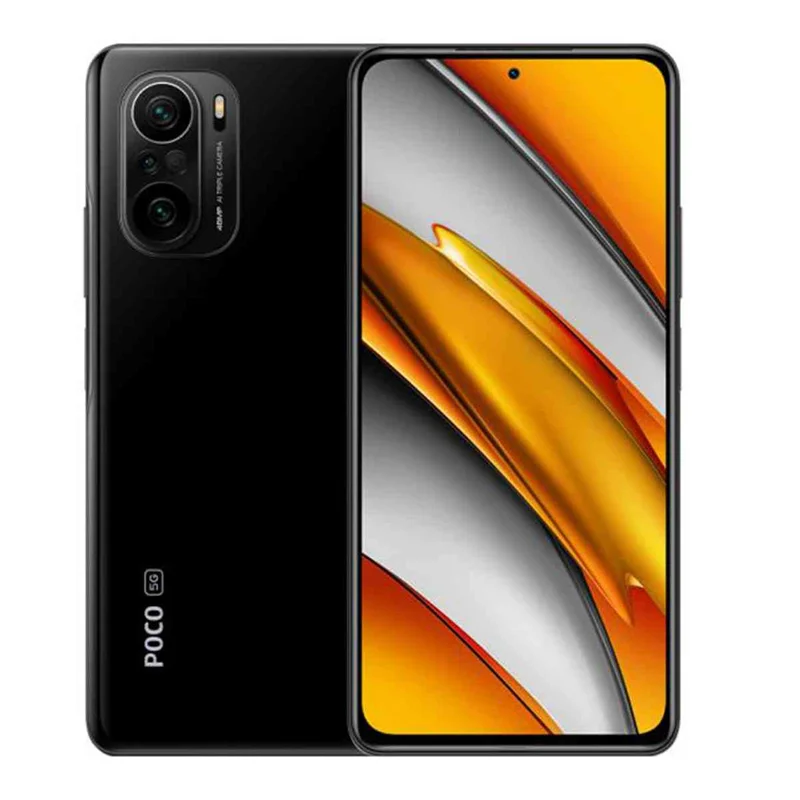
I can already imagine a future where smartphones have holographic storage or utilize some form of quantum memory – in simpler terms, memory that uses the mind-bending principles of quantum mechanics to store vast amounts of data in incredibly small spaces. The possibilities are endless.
Of course, there are challenges. Lu Weibing even suggested that some companies might fall behind or exit the market. But that's the nature of innovation. It's a Darwinian process where the most adaptable and resourceful companies thrive. And honestly, I believe this pressure will force companies like Xiaomi (with their rumored Xiaomi 17 series) and Samsung to truly innovate, pushing them to create products that are not only competitive but also groundbreaking. According to a recent report, Xiaomi sees phone prices rise in 2026 due to the memory chip crunch Are you a robot?.
What does this mean for us, the consumers? Maybe we'll pay a little more for our phones in the short term. But in the long run, we'll benefit from the wave of innovation that this memory crunch unleashes. We'll get devices that are faster, smarter, and more capable than anything we can imagine today.
And, let's be honest, a little competition in the smartphone market is always a good thing. It keeps everyone on their toes and drives them to deliver the best possible products. The pressure on Samsung with their upcoming Galaxy S26 launch is palpable, but I'm betting they'll rise to the occasion.
The ethical consideration? We need to ensure that these innovations are accessible to everyone, not just those who can afford the most expensive devices. We need to bridge the digital divide and ensure that everyone has access to the transformative power of technology.
From Shortage to Quantum Leap
This memory crunch isn't a crisis; it's an opportunity. It's a chance to rethink how we design and use technology. It's a chance to push the boundaries of what's possible. And honestly, when I think about the potential breakthroughs that could emerge from this challenge, I just get this feeling in my gut, a sense of pure, unadulterated excitement. The future is coming, and it's going to be amazing.
A Spark of Innovation
Tags: xiaomi
OECD: What it is, AI news, and why you should probably care
Next PostExact Sciences Acquired by Abbott: What's the Deal?
Related Articles